

Medium roast coffee: flavor, characteristics, and brewing
Walk into any coffee shop or grocery store and you will see shelves labeled “medium roast” on dozens of different bags. Some taste bright and fruity. Others taste rich and chocolatey. A few taste almost as bold as dark roast. The label is the same, but the cup is completely different every time. This confusion is common, and it points to a real problem: “medium roast” is not a single, standardized flavor. It is a broad category with a lot of variation inside it. This article breaks down what medium roast actually means, what it tastes like, how it compares to other roasts, and how to brew it well.
Table of Contents
- What defines medium roast coffee?
- Flavor profile and characteristics of medium roast
- How medium roast compares to light and dark roasts
- Top brewing methods for medium roast coffee
- Pairings: Foods and flavors that complement medium roast
- Our perspective: Rethinking roast terminology and flavor expectations
- Explore premium medium roasts and blends
- Frequently asked questions
Key Takeaways
| Point | Details |
|---|---|
| Medium roast basics | Medium roast coffee is defined by its balanced flavor and brown color, achieved by stopping roasting after the first crack. |
| Flavor versatility | Medium roast offers a rich, complex profile that preserves bean origin and suits pairing with both sweet and savory foods. |
| Comparative clarity | Medium roast stands apart from light and dark by balancing acidity, body, and caffeine content for a well-rounded cup. |
| Brewing choices | Pour-over, drip, French press, and cold brew all highlight different aspects of medium roast flavor. |
| Origin matters | Flavor depends on bean origin, processing, and brew method as much as roast, so explore and experiment for best results. |
What defines medium roast coffee?
Medium roast coffee is defined by color and taste, not simply by roasting time or temperature. The roasting process stops after the first crack of the bean but before the second crack begins. The first crack is an audible popping sound that happens when moisture inside the bean expands and breaks through the outer shell. This moment marks the beginning of what most roasters consider a drinkable roast. Stopping here produces a bean that is medium brown in color, with a dry or barely oily surface.
The names used for medium roast vary widely. Common labels include City, Full City, American, and Breakfast roast. These names have been used for decades, but they are not consistent across roasters. One company’s “City” may be another company’s “Full City.” This inconsistency makes it difficult to know what you are actually buying based on the name alone.
Modern specialty coffee has moved toward more objective tools. The Agtron scale is a color measurement system that assigns a number to roasted coffee based on how much light the beans reflect. Lower numbers indicate darker roasts, while higher numbers indicate lighter ones. As noted by specialty roasters, traditional names like “City” or “Full City” are imprecise across roasters, and modern specialty coffee prefers objective measures like Agtron. Medium roast typically falls in the Agtron range of 55 to 65 on whole beans.
Key characteristics of medium roast beans include:
- Medium brown color with little to no surface oil
- Roasted past the first crack but before the second crack
- Balanced body and acidity
- Aroma that is fuller and sweeter than light roast
- Less bitterness than dark roast
Pro Tip: When selecting medium roast beans, look for uniform color across all beans in the bag and a clean, sweet aroma. Uneven coloring can signal inconsistent roasting, which affects flavor.
If you want to explore how roast level interacts with added flavors, the flavored coffees sample pack is a good starting point. For a bolder option within the medium range, the Max Caf Blend coffee offers higher caffeine content without crossing into dark roast territory. And if you are curious about how medium compares at the opposite end of the spectrum, the French Roast coffee shows what happens when beans are taken much further.
“The roast level is one variable among many. Color gives you a starting point, but it does not tell the whole story of what is in your cup.”
Flavor profile and characteristics of medium roast
Medium roast offers a balance that neither light nor dark roast can fully replicate. The acidity is present but not sharp. The body is noticeable but not heavy. This middle ground is exactly why medium roast is the most popular roast level in the United States.
Flavor notes in medium roast coffee commonly include:
- Caramel and brown sugar
- Milk chocolate and cocoa
- Toasted nuts like hazelnut and almond
- Stone fruits such as peach or apricot
- Mild citrus or berry notes depending on origin
These flavors come from two sources: the origin of the bean and the roasting process itself. Ethiopian beans roasted to medium often show bright fruit and floral notes. Colombian beans at the same roast level tend to produce more caramel and nut flavors. The roast does not erase origin character the way a dark roast often does. It develops the bean’s natural sugars while preserving much of what makes each origin unique.
As research confirms, flavor always depends on origin, processing, and brew method as well as roast. This means two bags labeled “medium roast” from different origins will taste noticeably different from each other.
“Medium roast is not a flavor. It is a framework. The actual flavor is shaped by where the bean came from and how it was processed before it ever reached the roaster.”
The aroma of medium roast is one of its most appealing qualities. It is fuller and sweeter than light roast, which can smell grassy or tea-like. It is less smoky and pungent than dark roast. Most people find the aroma of medium roast to be the most familiar and inviting of all roast levels.
Pro Tip: Pair medium roast with a plain croissant, a slice of banana bread, or a simple pastry to let the coffee’s caramel and nut notes stand out. Heavy or very sweet foods can mask the complexity.
Explore the full range of premium coffee beans to find medium roast options from different origins. If you want to try something with added functional ingredients, the mushroom dark roast coffee shows how specialty ingredients can shift the flavor experience across roast levels.
How medium roast compares to light and dark roasts
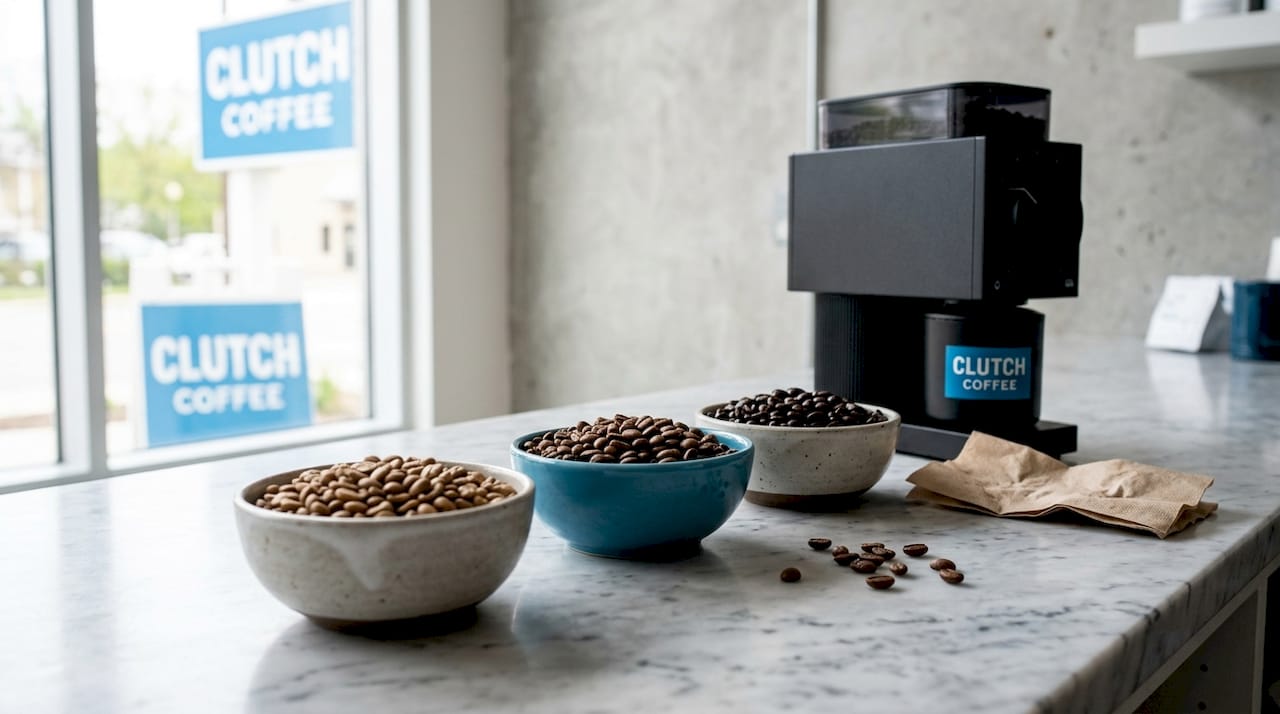
Understanding medium roast becomes much clearer when you place it next to light and dark roasts side by side. Each roast level produces a distinctly different cup, and the differences go beyond just color.
| Roast level | Taste notes | Aroma | Caffeine | Ideal brew methods |
|---|---|---|---|---|
| Light roast | Bright, fruity, acidic, floral | Grassy, tea-like, delicate | Slightly higher | Pour-over, Aeropress |
| Medium roast | Caramel, chocolate, balanced | Sweet, nutty, full | Moderate | Drip, pour-over, French press |
| Dark roast | Bold, bitter, smoky, roasty | Intense, smoky, pungent | Slightly lower | Espresso, French press |
A few important points about this comparison:
- Caffeine: The difference in caffeine between roast levels is small. Light roast beans are denser and slightly higher in caffeine by weight. By volume, the difference is minimal. The origin and variety of the bean matter more than roast level for caffeine content.
- Acidity: Light roast has the most acidity. Medium roast has moderate acidity. Dark roast has the least, but it introduces bitterness instead.
- Body: Dark roast tends to feel heavier in the mouth. Light roast can feel thin. Medium roast sits in between with a smooth, balanced mouthfeel.
- Origin flavor: Light roast preserves the most origin character. Medium roast preserves a significant amount. Dark roast largely replaces origin flavor with roast flavor.
As specialty coffee research shows, flavor always depends on origin, processing, and brew method as well as roast. This is why comparing roasts without considering origin can be misleading.
For those who want to explore the darker side of the spectrum, dark roast coffee provides a clear contrast. For a medium roast with added functional benefits, mushroom medium roast coffee is worth trying.
Top brewing methods for medium roast coffee
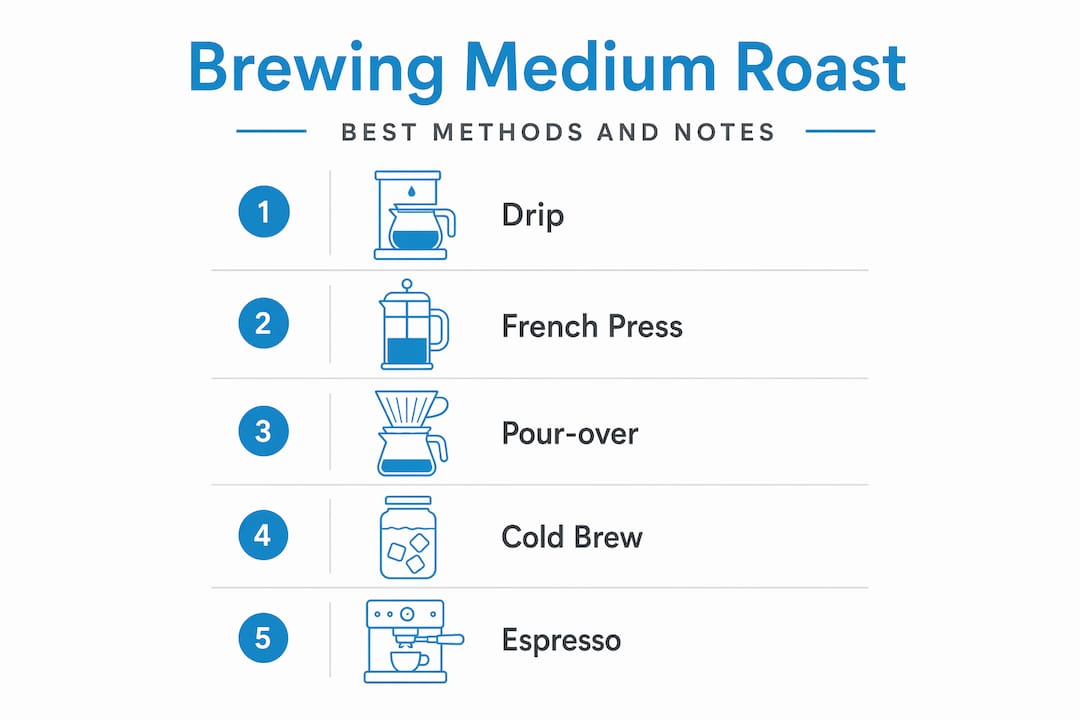
The brewing method you choose has a significant impact on how medium roast flavors come through in the cup. Some methods highlight sweetness and body. Others bring out brightness and clarity. Here are the four most effective methods for medium roast.
-
Drip coffee maker: Use a medium grind. Set a ratio of 1 gram of coffee per 15 to 16 grams of water. Brew at 195 to 205 degrees Fahrenheit. Drip brewing is consistent and easy. It highlights caramel and chocolate notes well.
-
Pour-over: Use a medium to medium-fine grind. Heat water to 200 degrees Fahrenheit. Pour in slow, controlled circles over 3 to 4 minutes. Pour-over produces a clean, bright cup that shows off origin flavors and subtle fruit notes in medium roast.
-
French press: Use a coarse grind. Steep for 4 minutes before pressing. French press produces a full-bodied cup with more texture and richness. It is ideal for medium roasts with strong chocolate or nutty character.
-
Cold brew: Use a coarse grind. Steep in cold or room-temperature water for 12 to 24 hours. Cold brew with medium roast produces a smooth, sweet concentrate with low acidity. It is one of the best ways to highlight caramel and fruit notes without any bitterness.
| Brew method | Flavor notes revealed | Ease of use | Recommended grind |
|---|---|---|---|
| Drip | Chocolate, caramel, balanced | Easy | Medium |
| Pour-over | Fruit, floral, bright | Moderate | Medium-fine |
| French press | Rich, bold, full-bodied | Easy | Coarse |
| Cold brew | Sweet, smooth, low acid | Easy (time required) | Coarse |
As brewing research confirms, flavor always depends on origin, processing, and brew method as well as roast. Switching from drip to pour-over with the same beans can produce a noticeably different cup.
Pro Tip: Use filtered water whenever possible. Tap water with high mineral content or chlorine can interfere with the delicate flavors in medium roast. Freshly ground beans make a significant difference compared to pre-ground coffee.
For cold brew specifically, the medium roast cold brew option from Clutch Coffee is already optimized for this method. If convenience is a priority, instant mushroom coffee offers a fast alternative without sacrificing quality.
Pairings: Foods and flavors that complement medium roast
Food pairing with coffee is not complicated. The goal is to find foods that either complement the coffee’s flavor notes or provide a pleasant contrast. Medium roast’s balanced profile makes it one of the most food-friendly roast levels available.
Foods that pair well with medium roast coffee:
- Pastries: Almond croissants, cinnamon rolls, banana bread, and butter scones work well with the caramel and nut notes in medium roast.
- Chocolate: Milk chocolate and semi-sweet chocolate bars enhance the cocoa notes already present in many medium roasts. Dark chocolate can work too, especially with fruity medium roasts.
- Fruit: Fresh berries, sliced peaches, and dried apricots complement the natural fruit notes that appear in medium roasts from Ethiopia or Kenya.
- Mild cheeses: Brie, mild cheddar, and gouda pair well with the nutty and caramel qualities of medium roast without overpowering the coffee.
- Savory options: Avocado toast, plain bagels with cream cheese, and egg dishes provide a neutral base that lets the coffee’s flavor come through clearly.
As origin and processing research shows, flavor depends on origin and processing as well as roast. This means a fruity Ethiopian medium roast will pair differently than a nutty Colombian medium roast, even though both carry the same roast label.
Pro Tip: Try pairing medium roast with a mushroom-based coffee blend for a more complex tasting experience. The earthy depth of mushroom extracts adds a savory layer that contrasts well with the sweetness of medium roast.
For mushroom-forward options, the mushroom medium roast coffee and mushroom dark roast coffee both offer interesting pairing possibilities. The instant mushroom coffee is convenient for quick pairing experiments. If you want a bolder contrast, the Italian Roast coffee paired with dark chocolate shows how roast level shifts the pairing dynamic entirely.
Our perspective: Rethinking roast terminology and flavor expectations
Roast labels are starting points. They are not guarantees of flavor. This is the most important thing to understand about medium roast coffee, and it is also the most commonly overlooked.
The industry has made progress with tools like the Agtron scale. As specialty coffee experts note, traditional names like “City” or “Full City” are imprecise across roasters, and modern specialty coffee prefers objective measures like Agtron. But even Agtron only measures color. It does not measure sweetness, acidity, body, or origin character. A bean with an Agtron score of 60 can taste completely different depending on whether it came from Guatemala or Sumatra.
The practical takeaway is this: stop shopping by roast name alone. Instead, look at the origin, the processing method (washed, natural, honey), and the roaster’s notes. Ask questions. Try different origins within the medium roast range. A washed Colombian medium roast and a natural Ethiopian medium roast are not the same product. They just happen to share a color range.
Trusting your own palate is also more valuable than following any label. If a bag says “medium roast” but tastes too light or too bold for your preference, that information is useful. It tells you something about that specific roaster’s interpretation of medium. Use that knowledge to refine your next purchase.
Experimenting with brew methods within the medium roast range is another underused strategy. The same beans brewed as cold brew versus pour-over will taste different enough to seem like two separate coffees. This is not a flaw. It is one of the most interesting things about coffee.
The goal is not to find the perfect medium roast. The goal is to build enough experience with different origins, processing methods, and brew techniques that you can reliably get the cup you want, regardless of what the label says.
Explore premium medium roasts and blends
Clutch Coffee offers a range of medium roast options built for daily performance and real-world routines. Whether you prefer whole beans, specialty blends, or convenient formats, there is a product designed to fit your setup.
The mushroom medium roast coffee combines balanced roast character with functional mushroom extracts for added focus and depth. The medium roast cold brew delivers smooth, low-acid flavor ready for any brew method. For those who want variety before committing, the flavored coffees sample pack covers multiple profiles in one order. Every batch is fresh roasted before shipping, so the flavor you read about in this article is the flavor you get in your cup.
Frequently asked questions
Is medium roast coffee more caffeinated than dark roast?
Medium roast typically has a slightly higher caffeine content than dark roast because the beans are less cooked, but the difference is marginal. Origin and bean variety affect caffeine levels more than roast level does.
Why do some medium roasts taste different from others?
Differences in origin, processing, and brewing method dramatically affect flavor profiles. As confirmed by roast research, flavor always depends on origin, processing, and brew method as well as roast, which leads to wide variation across medium roasts.
What foods pair best with medium roast coffee?
Medium roast pairs well with nutty pastries, chocolate desserts, mild cheeses, and fresh fruit. The flavor profile depends on origin and processing, so fruity medium roasts pair differently than chocolatey ones.
How can I ensure I get a true medium roast?
Look for objective markers like Agtron scale numbers and ask your roaster about roast methods and bean origin. As specialty coffee experts confirm, traditional names like “City” or “Full City” are imprecise across roasters, making objective measures more reliable than label names alone.